A Sunday Reset That Does Not Take Over the Weekend
A weekly reset should make the coming days easier without making Sunday feel like unpaid administration from morning to night.

A weekly reset should make the coming days easier without making Sunday feel like unpaid administration from morning to night. Choose a short list of tasks with a visible benefit, then stop when that list is complete. This guide focuses on clothes, food, essential belongings and the shared surfaces that affect everyday movement. It works best as a flexible routine that can shrink during busy weeks, rather than a standard you must meet perfectly.
Start with next week’s real commitments
Look at appointments, travel, work patterns and household responsibilities before cleaning or shopping. Identify anything that changes your normal routine, such as an early departure or a meal away from home. Write down the few preparations that would prevent avoidable rushing. Use a calendar or notebook you already understand instead of buying a complicated planning system. Keep private information appropriately stored. The purpose is to see the week clearly enough to support it, not to assign every hour. A short plan leaves room for changes and makes it easier to recognise which tasks genuinely matter.
Prepare a few reliable outfit combinations
Check the weather and the clothes needed for actual commitments, then confirm that key pieces are clean and ready. Deal with a loose button or missing sock now if it will cause trouble later. Lay out one early-morning outfit if that helps, but avoid filling the room with five complete displays. Keep shoes and bags accessible. A small number of reliable combinations reduces decisions without turning every day into a uniform. If a wardrobe gap appears, record it rather than ordering immediately; a repair or different combination may solve the problem once you have looked properly.
Make food preparation proportionate
Review what is available, check storage and use-by information, then make a realistic shopping list. Plan meals around time and preferences instead of an idealised week of elaborate cooking. Follow official food-safety guidance and package instructions for storage, preparation and reheating. A washed lunch container, a clear shelf and the ingredients for an easy meal may be more useful than a large batch you do not enjoy. Do not buy extra containers until you know what needs storing. Keep the routine adaptable so a change of plans does not produce unnecessary waste or make you feel the preparation has failed.
Reset the surfaces you use most
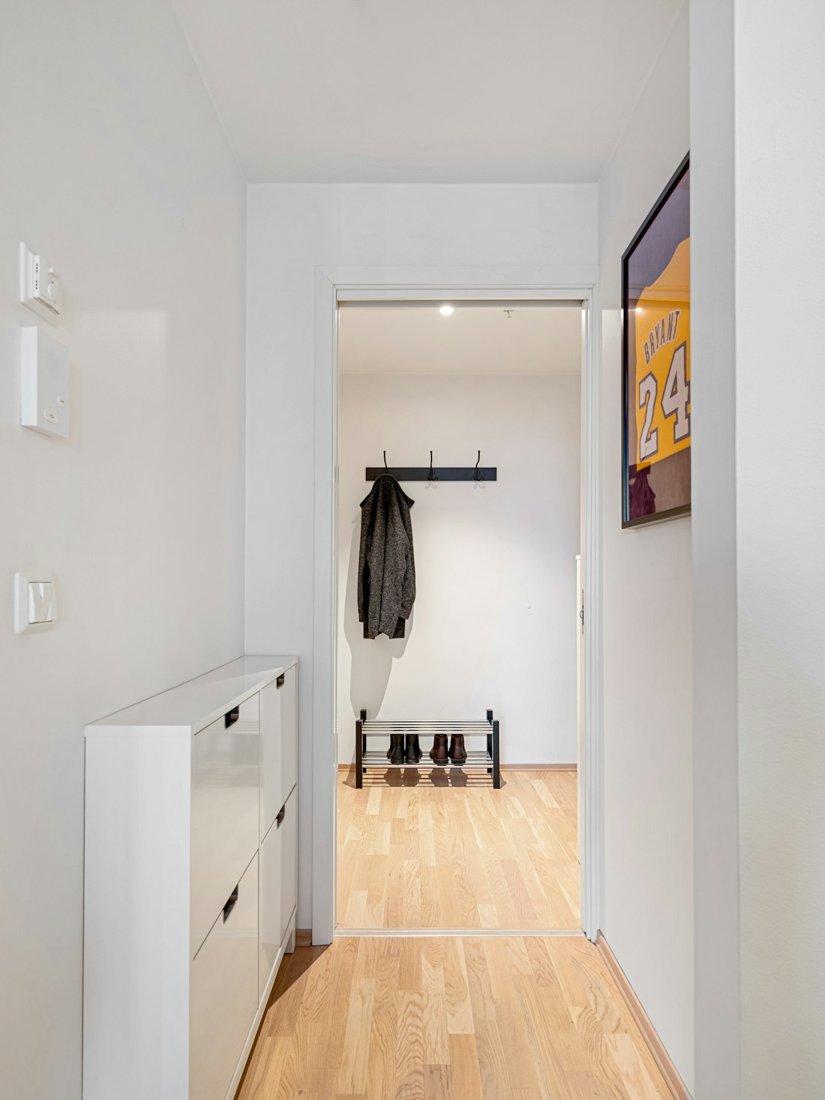
Choose the entryway, kitchen preparation area or work surface that will have the greatest effect on Monday. Return objects to their homes and identify those without a sensible place. A basket can gather items temporarily, but it needs a next step rather than becoming permanent hidden clutter. Prepare everyday essentials such as a charged device or packed bag according to your needs. Set a reasonable stopping point and leave time to rest. A reset is successful when it removes a few points of friction, not when the whole home looks ready for photography and nobody has enjoyed the weekend.
Choose for your actual routine
Choose storage and planning tools that support a habit already useful to you, rather than buying products and hoping a new routine follows. Measure the relevant space before browsing and include clearance needed to open doors, move a chair or clean around an object. Look beyond styled photographs to dimensions, materials, care instructions and the manufacturer’s intended use. Larger is not automatically more useful, and a fashionable finish can become a burden if it marks easily in your household. Compare a purchase with rearranging something you already own. For electrical items, confirm compatibility and follow supplied safety instructions. Buy the practical solution first; the attractive finishing touch can wait until the routine has proved itself.
Keep the system easy to maintain
A small repair, restocked essential or cleared work surface can have more practical value than a complete set of coordinated organisers. Give a new arrangement a trial before buying matching accessories. Notice which objects remain in the wrong place and move storage closer to the point of use. Keep care instructions accessible and use cleaning methods suited to each material. Build maintenance around an existing habit rather than an ambitious timetable. A small weekly reset is easier to repeat than a complete transformation every month. When something stops being useful, repair, repurpose or donate it responsibly instead of hiding it in another cupboard. The aim is a home that supports ordinary days, including rushed and untidy ones, while leaving room for your own taste.
Considered shopping notes
Use these retailer starting points to compare the details that matter to your routine. Check the current materials, sizing, availability and returns terms before buying.
Everyday home essentials at John Lewis
Compare practical storage only after identifying a recurring need.
The tradeoff: More organisers can complicate a routine instead of simplifying it.
Explore the website ↗Questions worth asking
How long should a reset take?
Choose a limit that fits your household and energy, then prioritise within it. Some weeks need only a calendar check and clean clothes. The useful measure is reduced weekday friction, not time spent working on Sunday.
Do I need a planner and matching containers?
No. Start with tools you already use and the storage you own. Buy only when a specific problem persists. A simple notebook and one useful lunch box can support the routine without creating another system to maintain.
Sources & further reading
Our guidance draws on published information and editorial judgment, rather than hands-on product testing.
Explore more lifestyle stories, or contact the editorial team.