Setting a Relaxed Dinner Table Without Buying Everything New
Having people over can make ordinary plates suddenly seem inadequate.
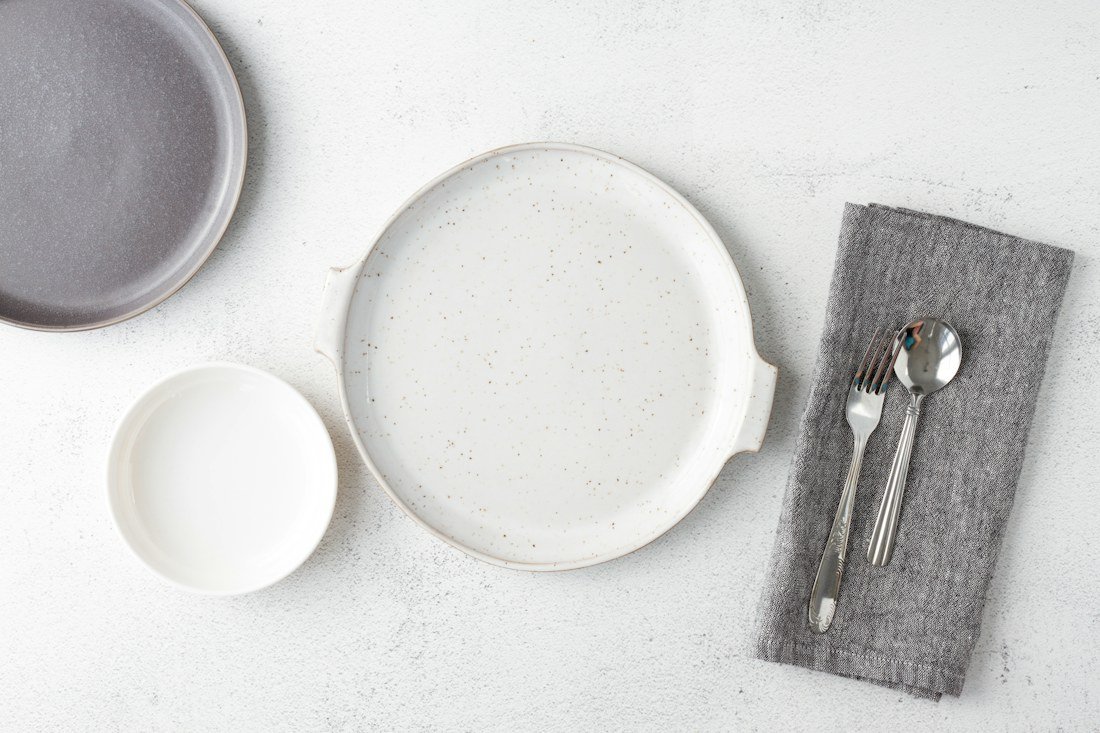
Having people over can make ordinary plates suddenly seem inadequate. A welcoming table usually needs enough room, useful serving pieces and a comfortable atmosphere more than it needs a complete matching collection. Start with what you own, plan the food alongside the table and identify any real gap. This approach suits a small dinner where guests should be able to talk, reach their glasses and enjoy the meal without navigating a decorative obstacle course.
Plan the food and table together
Write the menu before deciding how many bowls, platters and utensils are needed. A shared dish takes more central space than individually plated food, so test the arrangement with empty serving pieces. Leave room for water and for guests to set down cutlery comfortably. Keep hot dishes on suitable protection and follow care instructions for the tabletop. If the table is small, serve some food from a nearby safe surface rather than squeezing everything between place settings. A clear plan prevents last-minute purchases of servingware that looks attractive but does not suit the meal you actually want to cook.
Let mixed pieces look deliberate
Different plates can feel cohesive when they share a colour family, scale or simple shape. Use a plain cloth or placemat to connect them if useful, but do not assume every table needs extra textiles. Check that plates and glasses fit without overlapping. A few repeated elements, such as folded napkins or the same water glass, provide rhythm. Avoid replacing an entire service because one piece is missing; compare a small addition with borrowing. The table should accommodate real appetites and conversation rather than requiring guests to protect a fragile styling arrangement throughout the evening.
Keep decoration below the conversation
Low flowers or a small arrangement let people see one another. Keep any objects clear of plates and serving space, and choose vessels stable enough for the table. If using candles, follow relevant safety guidance, keep them away from combustible materials and never leave them unattended. Flameless alternatives may be more practical in some households. Avoid strong fragrance competing with food. Decoration is optional: a clean table and a thoughtful arrangement of ordinary objects can be welcoming. Remove anything that makes reaching for water or passing a dish awkward, even when it looks good before the guests arrive.
Buy for repeated meals, not one photograph
If a gap remains, consider the item used most often: perhaps a serving bowl, enough comfortable glasses or washable napkins. Check dishwasher and microwave suitability where relevant and follow the manufacturer’s instructions. Large pieces need storage space as well as a role at the table. Handle a glass or utensil if possible to assess comfort rather than judging only appearance. A modest, durable purchase that joins weekday dinners is often more useful than specialised pieces brought out once a year. After the meal, clean and dry items appropriately so hosting does not leave a pile of unresolved maintenance for the following weekend.
Choose for your actual routine
Measure the table with actual plates and serving dishes in place, leaving room to reach and pass food comfortably. Measure the relevant space before browsing and include clearance needed to open doors, move a chair or clean around an object. Look beyond styled photographs to dimensions, materials, care instructions and the manufacturer’s intended use. Larger is not automatically more useful, and a fashionable finish can become a burden if it marks easily in your household. Compare a purchase with rearranging something you already own. For electrical items, confirm compatibility and follow supplied safety instructions. Buy the practical solution first; the attractive finishing touch can wait until the routine has proved itself.
Keep the system easy to maintain
Prioritise versatile tableware that suits ordinary meals, and treat matching textiles as optional additions rather than the foundation of hosting. Give a new arrangement a trial before buying matching accessories. Notice which objects remain in the wrong place and move storage closer to the point of use. Keep care instructions accessible and use cleaning methods suited to each material. Build maintenance around an existing habit rather than an ambitious timetable. A small weekly reset is easier to repeat than a complete transformation every month. When something stops being useful, repair, repurpose or donate it responsibly instead of hiding it in another cupboard. The aim is a home that supports ordinary days, including rushed and untidy ones, while leaving room for your own taste.
Considered shopping notes
Use these retailer starting points to compare the details that matter to your routine. Check the current materials, sizing, availability and returns terms before buying.
Tableware at John Lewis
Compare everyday serving pieces and care requirements.
The tradeoff: Large statement pieces may be difficult to store between meals.
Explore the website ↗Questions worth asking
Do all the plates need to match?
No. A shared colour or repeated element can connect different pieces. Check that sizes and shapes work for the food and leave enough room. Practical compatibility matters more than owning one complete collection.
What should I buy first for hosting?
Test the menu with existing dishes, then identify the real shortage. A versatile bowl or extra everyday glasses may help more than decoration. Consider borrowing for a larger one-off gathering before buying storage-heavy items.
Sources & further reading
Our guidance draws on published information and editorial judgment, rather than hands-on product testing.
Explore more lifestyle stories, or contact the editorial team.