Carry-On Packing Without Buying a New Travel System
Packing videos can make it seem that every journey needs a new set of organisers, miniature bottles and clever bags.
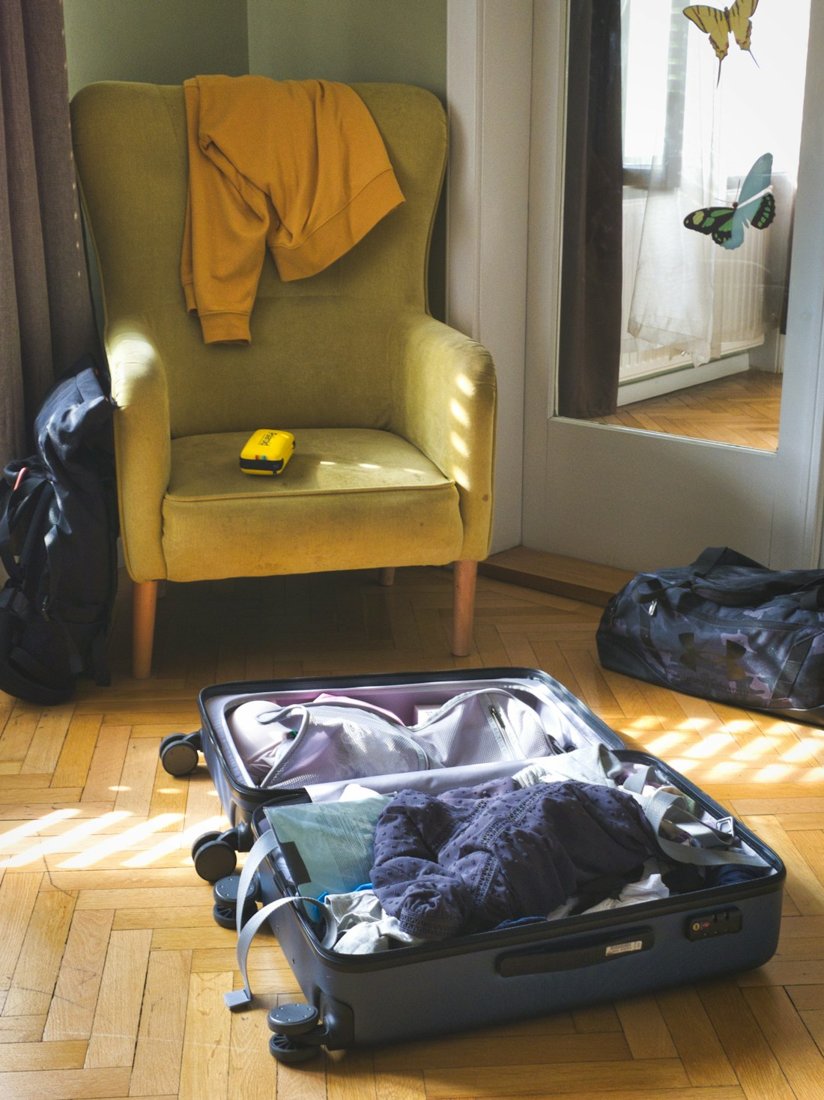
Packing videos can make it seem that every journey needs a new set of organisers, miniature bottles and clever bags. Most short trips benefit first from a clear list and fewer duplicates. This guide starts with luggage you already own and asks where a purchase genuinely removes friction. The aim is a manageable carry-on that supports your route, with room for essentials and a realistic plan for worn clothing.
Measure your bag before making the list
Check current baggage allowances directly with the operator for your specific ticket, including any separate personal-item limits. Measure the bag as instructed, accounting for handles and wheels where relevant. An advertised cabin label does not guarantee acceptance on every service. Consider whether you can lift and carry the bag comfortably when full, especially on stairs. Start from that physical capacity rather than buying clothes and hoping they fit. If the existing bag meets the rules and remains comfortable, replacing it may offer less benefit than reducing the contents and making important items easier to access.
Give every item a job
Write down journey days, activities, weather needs and laundry opportunities. Build outfits around shared shoes and layers, then remove pieces included only for vague possibilities. Keep genuine contingencies, such as essential medication and suitable weather protection, separate from speculative extra outfits. Toiletries should reflect what you actually use; check current security rules for your departure route before decanting liquids. Label containers clearly and use products only in suitable packaging. A short list is easier to check than a collection of attractive organisers whose contents have never been questioned. The system begins with decisions, not containers.
Test organisation with what you own
Try a cloth pouch, existing toiletry bag or a simple packing cube before buying a matched set. Separate categories only when it helps you find things. Too many small bags can obscure what you packed and consume useful space. Keep in-transit essentials near the opening, and place items needed only at the destination deeper inside. A laundry pouch prevents worn socks and underwear mixing with clean clothes. Do a trial unpack on a table and notice which items take longest to locate. That reveals a useful organisational gap more clearly than comparing the number of compartments in a shopping listing.
Buy luggage for the awkward part
If your current bag fails, identify exactly why: weight, dimensions, uncomfortable straps, unreliable closures or unsuitable wheels. Compare replacements against that problem and read the maker’s specifications. A wheeled case may suit smooth routes but require carrying on stairs; a backpack frees hands but puts weight on your body. Neither is universally better. Test a realistic load where return terms permit, and check access to documents without unpacking everything. Keep receipts and care guidance. A bag earns its price through repeated useful journeys, not through the amount of travel equipment that can be fitted inside it.
Prepare for the practical details
Keep the personal bag light enough to manage through queues and transfers instead of using it to hide every extra item. Lay out one complete outfit per type of day, then remove duplicates that perform the same job. Include shoes and outerwear: they determine whether a pretty outfit is comfortable in practice. Check your transport operator’s current baggage rules directly before packing, because allowances depend on the ticket and can change. Keep essential medication, documents and a change of clothing in the bag that remains with you. Keep valuables close and distribute important items sensibly between travelling companions. Leave space for food, a folded layer and purchases instead of filling every pocket before departure.
Spend where it makes a difference
A replacement bag is justified by a specific failure in fit, weight or durability, rather than by the idea that every holiday needs new luggage. Make a small budget for practical comfort before considering decorative extras. Compare dimensions, empty weight, closures and return conditions when shopping for luggage or accessories. Test a bag at home with a realistic load and practise finding your phone without emptying it. A low price is less helpful if an item becomes uncomfortable after twenty minutes. Keep bookings and an offline address list accessible. Use official destination and transport websites to confirm opening times, accessibility and service changes close to the trip. These checks reduce avoidable surprises without turning a holiday into an overfilled schedule.
Considered shopping notes
Use these retailer starting points to compare the details that matter to your routine. Check the current materials, sizing, availability and returns terms before buying.
Luggage that meets your ticket allowance
Compare external dimensions, empty weight and repair or warranty information.
The tradeoff: Retailer labels such as cabin size do not replace your operator’s current rules.
Explore the website ↗Questions worth asking
Are packing cubes necessary?
No. They help some people separate categories, while others pack efficiently without them. Try one existing pouch before buying a set. The useful result is finding items easily, not owning a complete matching system.
Should I buy miniature toiletries?
Only when they suit your routine and current travel rules. Check permitted quantities and packaging through official guidance. Refillable containers can be useful if suitable for the product and clearly labelled, but unnecessary products still take space.
Sources & further reading
Our guidance draws on published information and editorial judgment, rather than hands-on product testing.
Explore more travel stories, or contact the editorial team.