A Copenhagen Weekend Planned Around Walking and Pauses
Copenhagen can inspire an ambitious list of design shops, waterfront walks and meals.
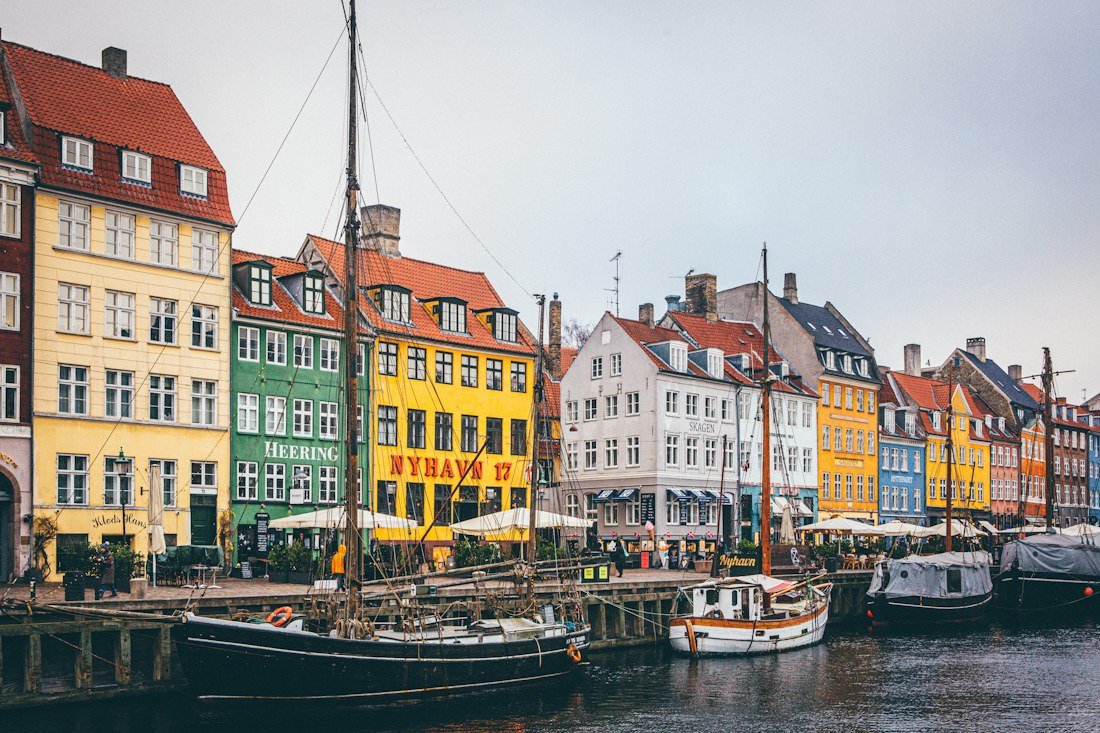
Copenhagen can inspire an ambitious list of design shops, waterfront walks and meals. A more manageable weekend begins with the pace you actually enjoy. Plan a few connected areas, leave time indoors when weather changes and choose whether cycling genuinely suits your confidence. This guide focuses on a practical short break with flexible days, comfortable clothing and selective spending, using official destination information for the details that should be checked close to departure.
Connect the day before booking it
Put your essential stops on a map and group them by area. A design visit, a waterfront walk and lunch nearby form a more comfortable day than a string of distant addresses. Factor in how you will travel between places and how much standing a museum or shop visit adds. Choose one reservation as an anchor and keep the surrounding hours flexible. A city weekend does not need every meal booked; a mixture of planned and spontaneous stops makes room for weather and energy. Keep a second indoor option nearby rather than a separate backup itinerary across town.
Choose cycling only if it suits you
Bicycles are a visible part of Copenhagen, but hiring one is optional. If you plan to ride, learn the current local rules from official guidance, assess your confidence and choose a provider offering appropriate equipment and clear terms. Do not attempt unfamiliar busy routes simply to match the destination’s image. Walking and public transport can form a satisfying visit. Consider storage and clothing before renting, including how you will carry a bag securely. A practical plan is the one you can follow comfortably, not the one that looks most typical in a holiday photograph.
Dress for the hours outside
Build around shoes that remain comfortable after walking and standing. A light layer and weather-appropriate outerwear help with changing conditions; consult the forecast close to departure. If you bring a long scarf or loose straps, consider how they behave on a bicycle before setting off. Pack a warm option that works with several outfits rather than a separate coat for each day. Keep a compact umbrella only if it is useful for your plans and conditions. The goal is to stay comfortable enough to linger outside, without turning the day bag into a portable wardrobe.
Bring a selective shopping list
Design-focused stores can make ordinary objects feel newly essential. Measure any space at home before buying décor, and check luggage dimensions before choosing a bulky item. For ceramics or glass, ask about protective packing and assess whether you can transport it safely. A useful small object may be a better purchase than a large statement piece you have nowhere to use. Compare the full cost, including any relevant shipping or customs considerations, through the retailer and official guidance. Leave room for simply looking: noticing materials, colours and displays can inform your own home without requiring a transaction.
Prepare for the practical details
Make the day bag comfortable for walking and compatible with any cycling you genuinely plan, rather than buying for an imagined itinerary. Lay out one complete outfit per type of day, then remove duplicates that perform the same job. Include shoes and outerwear: they determine whether a pretty outfit is comfortable in practice. Check your transport operator’s current baggage rules directly before packing, because allowances depend on the ticket and can change. Keep essential medication, documents and a change of clothing in the bag that remains with you. Keep valuables close and distribute important items sensibly between travelling companions. Leave space for food, a folded layer and purchases instead of filling every pocket before departure.
Spend where it makes a difference
A well-located stay can reduce transport friction; compare that benefit with a cheaper room requiring repeated journeys. Make a small budget for practical comfort before considering decorative extras. Compare dimensions, empty weight, closures and return conditions when shopping for luggage or accessories. Test a bag at home with a realistic load and practise finding your phone without emptying it. A low price is less helpful if an item becomes uncomfortable after twenty minutes. Keep bookings and an offline address list accessible. Use official destination and transport websites to confirm opening times, accessibility and service changes close to the trip. These checks reduce avoidable surprises without turning a holiday into an overfilled schedule.
Considered shopping notes
Use these retailer starting points to compare the details that matter to your routine. Check the current materials, sizing, availability and returns terms before buying.
Visit Copenhagen
Check official destination ideas and practical information.
The tradeoff: Confirm individual venue schedules and transport details separately.
Explore the website ↗Layers for a walking weekend
Compare knits and outer layers that can be removed easily at indoor stops.
The tradeoff: Extra warmth adds weight; check the forecast before choosing.
Explore the website ↗Questions worth asking
Should I rent a bike for the whole weekend?
Only if you expect to use it comfortably. Consider confidence, weather, storage and the locations on your plan. A shorter rental or no rental can be more useful than paying for a bike that becomes another responsibility.
What is worth buying for the trip?
Prioritise a weather layer or comfortable shoe only when you lack a suitable one. A new bag is useful if it solves access or carrying problems. Decorative travel accessories can wait until the practical list is covered.
Sources & further reading
Our guidance draws on published information and editorial judgment, rather than hands-on product testing.
Explore more travel stories, or contact the editorial team.