A Paris Weekend with Room to Wander
A short Paris visit can disappear into a list of famous stops and cross-city journeys.
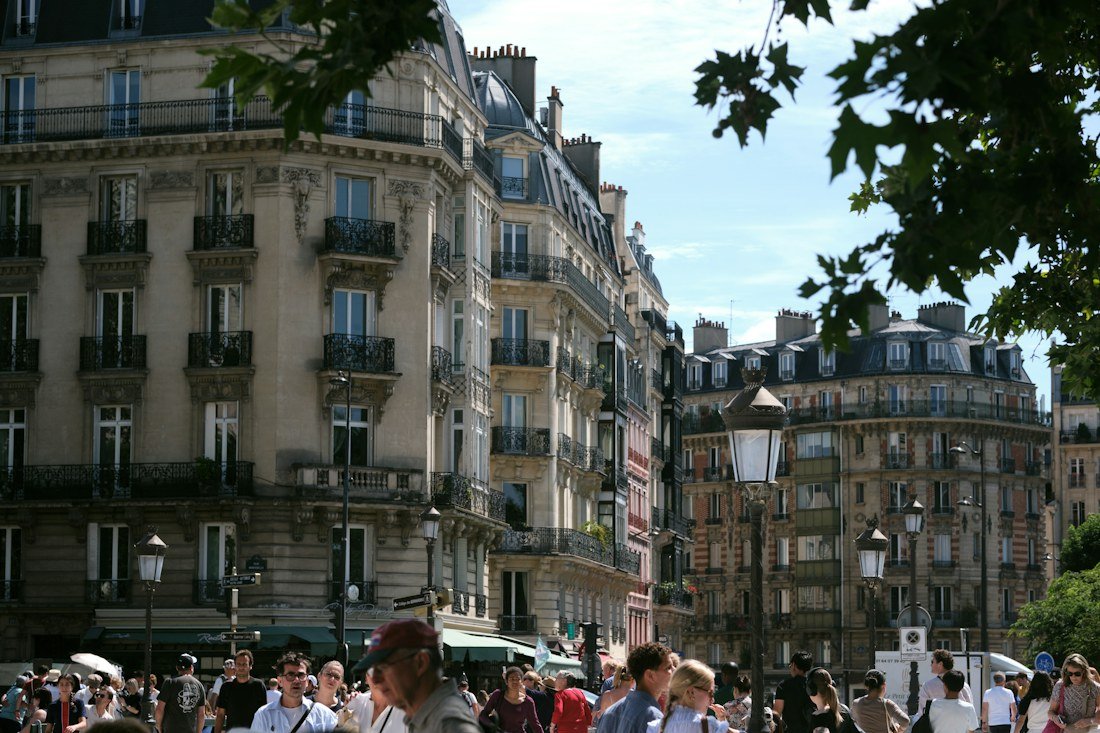
A short Paris visit can disappear into a list of famous stops and cross-city journeys. A calmer plan begins with one neighbourhood at a time, a few meaningful reservations and enough space to sit down. This approach suits a first or returning weekend when you want museums, cafés and ordinary street life without treating the city as a timed challenge. Use it as a planning framework, then confirm current details through official visitor information.
Give each day a small geographical centre
Choose a neighbourhood around your main reservation and build the rest of the day nearby. Look at a map before booking lunch on the opposite side of the city. A museum visit, a walk and a relaxed meal can fill a day when you allow for queues, transport and pauses. Leave a flexible stretch between commitments instead of assuming every journey will run to the minute. An attractive address is not automatically convenient for your route. Prioritising proximity helps you notice shops, gardens and quieter streets that an overfilled itinerary would turn into background.
Make accommodation location a practical decision
Compare the accommodation address with your arrival point and the places you most want to visit. Consider the walk with luggage, stairs, late arrival arrangements and the type of room rather than judging only the photographs. A cheaper room may lose its advantage if it adds repeated long journeys. Read the booking terms, cancellation conditions and any separately stated charges before paying. If accessibility matters, ask precise questions about lifts and steps instead of relying on broad labels. A useful base should make mornings and evenings easier, leaving energy for the visit itself rather than for logistical recovery.
Pack for pavements and changing weather
Comfortable, already-worn shoes are the foundation of a city wardrobe. Add layers that work under your outerwear and a bag that closes securely while keeping your hands free. Check the forecast shortly before departure, but leave room to adjust: a lightweight layer may be useful indoors as well as outside. Dress requirements vary by venue, so verify any special reservation rather than assuming the whole city expects formal clothing. Choose pieces that can handle sitting in cafés and walking between stops. A polished outfit is easier to enjoy when you are not protecting delicate shoes all day.
Use shopping as one part of the visit
Decide whether you want a specific item before entering a tempting store. Note your budget, luggage space and what would make the purchase useful at home. A scarf or small accessory can be easier to carry than bulky homeware, but the compact option still deserves a quality and care check. Keep receipts and ask about relevant return arrangements; purchasing abroad can complicate a change of mind. Leave time to enjoy browsing without a requirement to buy. A café break and an interesting street may be a more satisfying memory than a hurried souvenir bought to complete the itinerary.
Prepare for the practical details
A small, securely closing day bag is easier to manage in busy spaces than an overflowing open tote. Lay out one complete outfit per type of day, then remove duplicates that perform the same job. Include shoes and outerwear: they determine whether a pretty outfit is comfortable in practice. Check your transport operator’s current baggage rules directly before packing, because allowances depend on the ticket and can change. Keep essential medication, documents and a change of clothing in the bag that remains with you. Keep valuables close and distribute important items sensibly between travelling companions. Leave space for food, a folded layer and purchases instead of filling every pocket before departure.
Spend where it makes a difference
Spend first on a convenient base and comfortable footwear before purchasing accessories solely for destination photographs. Make a small budget for practical comfort before considering decorative extras. Compare dimensions, empty weight, closures and return conditions when shopping for luggage or accessories. Test a bag at home with a realistic load and practise finding your phone without emptying it. A low price is less helpful if an item becomes uncomfortable after twenty minutes. Keep bookings and an offline address list accessible. Use official destination and transport websites to confirm opening times, accessibility and service changes close to the trip. These checks reduce avoidable surprises without turning a holiday into an overfilled schedule.
Considered shopping notes
Use these retailer starting points to compare the details that matter to your routine. Check the current materials, sizing, availability and returns terms before buying.
Paris official visitor information
Use the destination site to check attractions and planning details.
The tradeoff: Opening times and booking requirements still need checking near travel.
Explore the website ↗A compact day bag
Compare closed day bags that fit your water bottle and a folded layer.
The tradeoff: A structured bag can weigh more before anything is packed.
Explore the website ↗Questions worth asking
How many major sights should I plan daily?
One substantial timed visit gives a short day structure while leaving room for a walk and meal. Add another only when the travel and energy involved are realistic. This is a pacing suggestion, not a rule for every traveller.
Do I need a special Paris wardrobe?
No. Wear comfortable clothes appropriate for weather and your specific reservations. A simple layer and clean practical shoes often provide flexibility. Avoid buying a travel costume that has no role when you return.
Sources & further reading
Our guidance draws on published information and editorial judgment, rather than hands-on product testing.
Explore more travel stories, or contact the editorial team.