An Airport Outfit That Still Feels Put Together
An airport outfit handles queues, changing temperatures, long periods of sitting and whatever you want to do on arrival.
An airport outfit handles queues, changing temperatures, long periods of sitting and whatever you want to do on arrival. Looking considered is possible, but comfort begins with movement and practical access. Build around soft layers and familiar shoes, then use colour to connect the pieces. Your journey clothes should also be useful during the trip instead of forming a separate travel-only uniform that takes up valuable luggage space.
Start with a forgiving waistband
Choose trousers comfortable through the waist and hips when seated. Relaxed tailoring, soft jeans or a neat jersey style can all work, depending on preference. Sit for a while before deciding, and check that pockets create no pressure beneath a belt or bag. Very wide hems become awkward around luggage wheels and busy washrooms, so assess length with your travel shoe. Skin comfort matters more than a fabric’s marketing label. Avoid details that demand constant adjustment each time you stand up, especially if you will manage bags or children at the same time.
Layer for changing temperatures
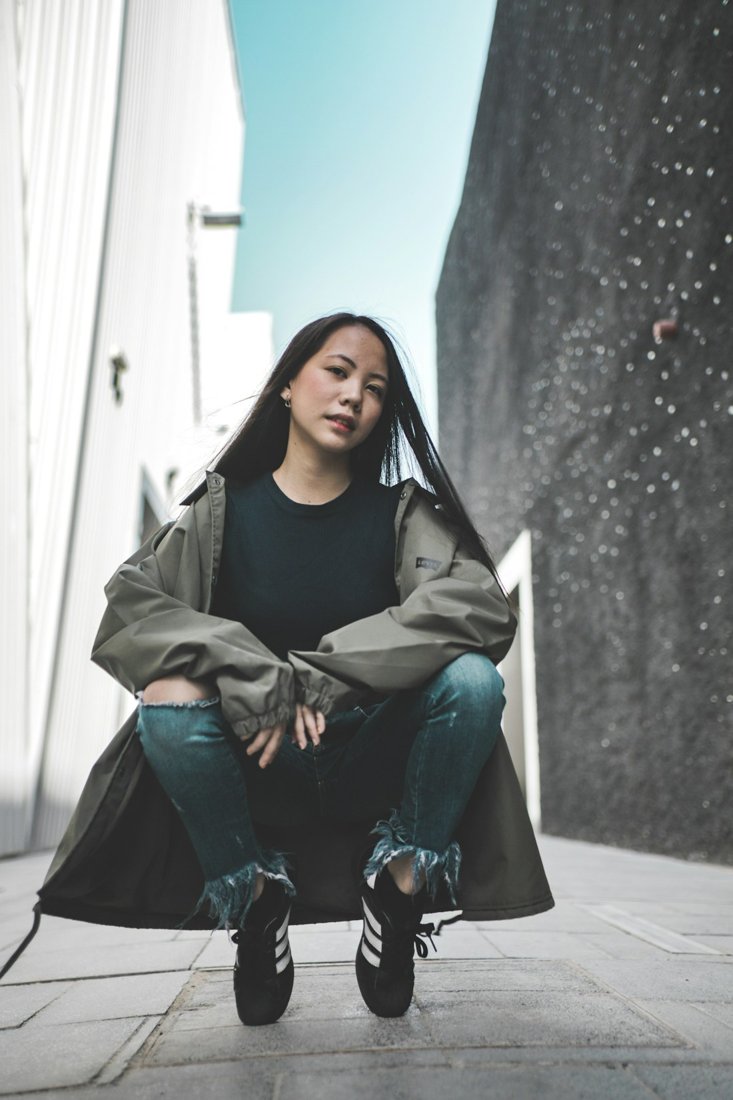
A light top beneath a cardigan, overshirt or soft jacket responds to a warm terminal and cool cabin. Keep the removable layer accessible after stowing your main bag. A bulky hood or decorative back detail can press against the seat, so try leaning back in the complete outfit. A scarf adds warmth but does not replace a suitable layer if you know you get cold. Consider the destination: clothing that joins several holiday outfits earns more room than an airport accessory without another role. A packable layer also helps when a transfer involves unexpected waiting outdoors.
Make movement and access easier
Choose footwear secure enough for brisk walking and manageable if removal is requested. Requirements vary, so follow instructions at your actual airport. Organise documents and valuables in a close-fitting bag instead of scattering them through shallow pockets. Dependable jacket closures help, but overloading pockets makes clothing uncomfortable. Jewellery and a belt remain optional finishing touches; if they cause inconvenience, put them away. Keep a clear place for your phone after security so you do not repeatedly check every compartment. Simplicity helps when attention is divided between directions, announcements, luggage and the people travelling with you.
Think beyond the flight itself
Will you go straight to accommodation or explore for hours before check-in? A clean top in your personal bag offers an option after a spill or warm transfer. Darker or patterned fabrics may make visible marks less distracting, though no fabric is universally wrinkle-proof. Pack a laundry pouch for the return and follow care labels afterwards. If compression garments are part of medical advice, follow that advice rather than an outfit guide. Clothes cannot promise health outcomes. Keep the overall outfit easy to adjust so arrival feels like the beginning of your visit, not another problem to manage.
Check the outfit before buying
Test shoulder seams and collars with your actual carry-on straps so fabric and hardware do not create pressure together. Before ordering, assemble clothes you already own and photograph a complete version of the outfit in ordinary daylight. Compare the garment measurements with a comfortable item laid flat, including shoulder width, rise, sleeve length and hem position where relevant. A size label alone cannot tell you whether the proportions work. Read the fabric composition and care instructions, then consider whether the garment suits your laundry routine. Inspect return conditions before removing labels. A product photograph offers inspiration, but your daily movement and realistic maintenance budget should decide the purchase.
Make the purchase earn its place
An overshirt worn on the flight and several days away is more useful than a layer bought solely for the airport. Start with the single missing piece that unlocks several combinations, rather than buying the whole photograph. Try everything with the intended underwear, shoes and outer layer, and sit down as well as stand in front of a mirror. Check pocket access, fastenings and whether seams twist during movement. Keep a note of what worked so the next purchase solves a different problem. Store clothes clean and dry, follow individual labels and repair loose buttons promptly. Repeating an effective outfit is a useful wardrobe strategy; texture, jewellery and the way a layer is worn can supply variety without multiplying purchases.
Considered shopping notes
Use these retailer starting points to compare the details that matter to your routine. Check the current materials, sizing, availability and returns terms before buying.
Casual layers at Uniqlo
Look for basics useful throughout the trip.
The tradeoff: A very soft travel fabric can look casual at dinner.
Explore the website ↗Questions worth asking
Are leggings the best option?
They suit some travellers but are not required. Choose bottoms comfortable while seated and compatible with your layers. If you prefer leggings, check opacity, waistband comfort and where valuables will be carried.
Should I wear my heaviest shoes?
Only when they are comfortable for the journey. Saving suitcase space is helpful, but heavy boots are a poor trade if they complicate transfers. Consider weight alongside comfort and weather at both ends.
Sources & further reading
Our guidance draws on published information and editorial judgment, rather than hands-on product testing.
Explore more fashion stories, or contact the editorial team.