How to Wear Wide-Leg Trousers on an Ordinary Weekday
Wide-leg trousers can make a simple shirt feel deliberate, but an outfit still has to survive a commute, a desk and the walk home.
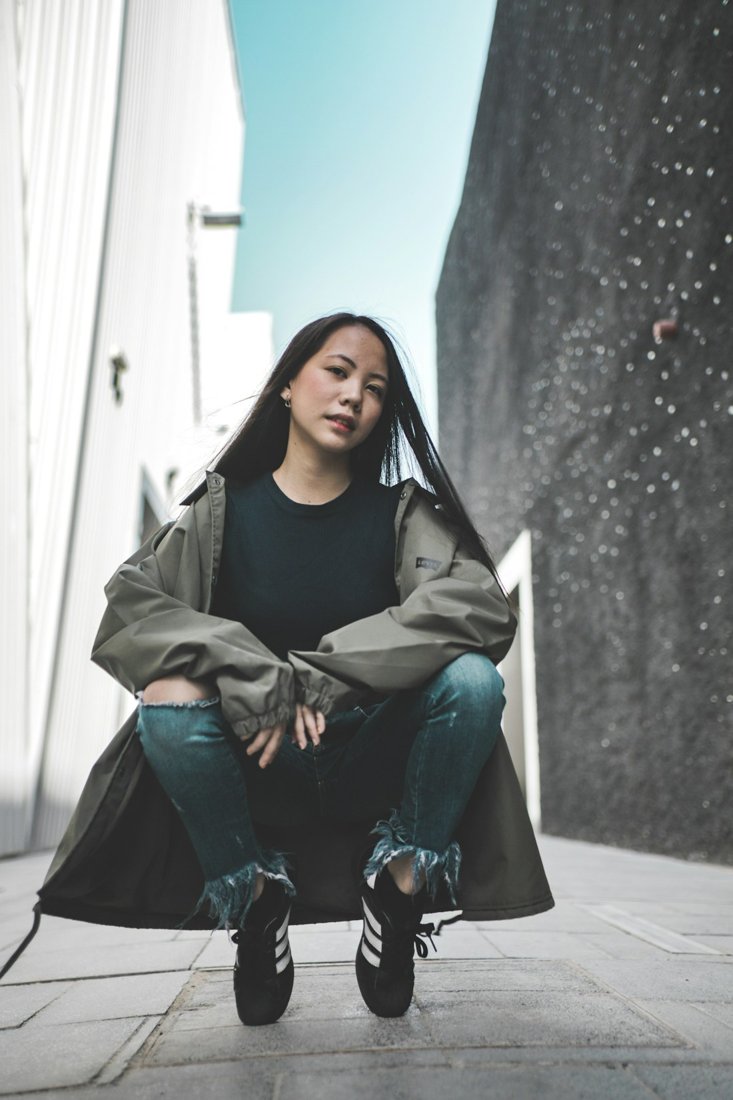
Wide-leg trousers can make a simple shirt feel deliberate, but an outfit still has to survive a commute, a desk and the walk home. The useful questions concern length, volume and fabric rather than whether the silhouette is fashionable. Start with a pair that works with everyday shoes, then use straightforward adjustments to create balance without turning getting dressed into a styling project.
Set the length with everyday shoes
The hem should clear the ground enough to avoid collecting pavement dirt or catching under your heel. Check trousers while walking, not just standing. A fluid pair might work with a modest heel but become impractical with your commuting flat. If alterations are needed, establish the finished length before buying additional tops. A shorter wide leg can be easier in wet weather, though socks and boots become more visible. Neither length is universally correct: the useful choice depends on your routine, footwear and how much maintenance you want after a rainy journey.
Control one part of the silhouette
A softly tucked top makes the waistband visible and gives broad trouser legs a clear starting point. That does not require a tight top: a loose shirt with a small front tuck supplies similar structure. If you prefer an untucked top, try a hem above the fullest part of the trousers or an open jacket creating a vertical line. Look from the side as well as the front. Several overlapping hems can feel bulky, while one simple break at the waist often makes generous proportions easier to wear without restricting your movement.
Match the fabric to your day
A crisp cotton or structured weave holds its shape; softer fabric moves closer to the body. Consider how each behaves when seated and whether creases will bother you after a journey. Light colours need attention to pocket outlines and underwear visibility, so check in daylight before removing labels. An easy-care fabric may be more valuable on weekdays than dramatic drape requiring specialist cleaning. Composition offers a clue, but inspect the feel, opacity and recovery of the finished garment whenever possible. Keep your actual washing arrangements in the decision rather than treating care as an afterthought.
Build three repeatable outfits
Try a T-shirt and trainers, a shirt and loafers, then a fine knit and ankle boots. Substitute pieces that suit your own lifestyle rather than purchasing every suggestion. Keep the bag straightforward if the trousers already make a strong shape. For wet mornings, a coat and hem with adequate ground clearance prevent cleaning becoming a chore. Hang trousers after wear, handle marks according to their label and check hem stitching occasionally. A maintained basic is easier to repeat confidently than an expensive piece that always needs attention before it can leave the wardrobe.
Check the outfit before buying
A waistband can feel comfortable standing and dig in at a desk, so include a seated fit check. Before ordering, assemble clothes you already own and photograph a complete version of the outfit in ordinary daylight. Compare the garment measurements with a comfortable item laid flat, including shoulder width, rise, sleeve length and hem position where relevant. A size label alone cannot tell you whether the proportions work. Read the fabric composition and care instructions, then consider whether the garment suits your laundry routine. Inspect return conditions before removing labels. A product photograph offers inspiration, but your daily movement and realistic maintenance budget should decide the purchase.
Make the purchase earn its place
Include alterations in your budget instead of comparing trousers only by their ticket price. Start with the single missing piece that unlocks several combinations, rather than buying the whole photograph. Try everything with the intended underwear, shoes and outer layer, and sit down as well as stand in front of a mirror. Check pocket access, fastenings and whether seams twist during movement. Keep a note of what worked so the next purchase solves a different problem. Store clothes clean and dry, follow individual labels and repair loose buttons promptly. Repeating an effective outfit is a useful wardrobe strategy; texture, jewellery and the way a layer is worn can supply variety without multiplying purchases.
Considered shopping notes
Use these retailer starting points to compare the details that matter to your routine. Check the current materials, sizing, availability and returns terms before buying.
Trouser options at ARKET
Browse cuts and compare measurements before choosing.
The tradeoff: Hemming may be needed for your shoes.
Explore the website ↗Questions worth asking
Does the top need to be tucked?
No. A tuck is one way to show proportion. An untucked top can work when its length feels intentional. Try a shorter knit or long open jacket and judge the complete outfit in motion.
Which shoes should I buy?
Use a comfortable existing pair to establish length first. If a gap remains, choose a shape serving several outfits. Avoid buying a heel solely to rescue trousers that otherwise do not suit your day.
Sources & further reading
Our guidance draws on published information and editorial judgment, rather than hands-on product testing.
Explore more fashion stories, or contact the editorial team.